The Essential Guide to Dissecting Forceps in Modern Surgery
Wiki Article
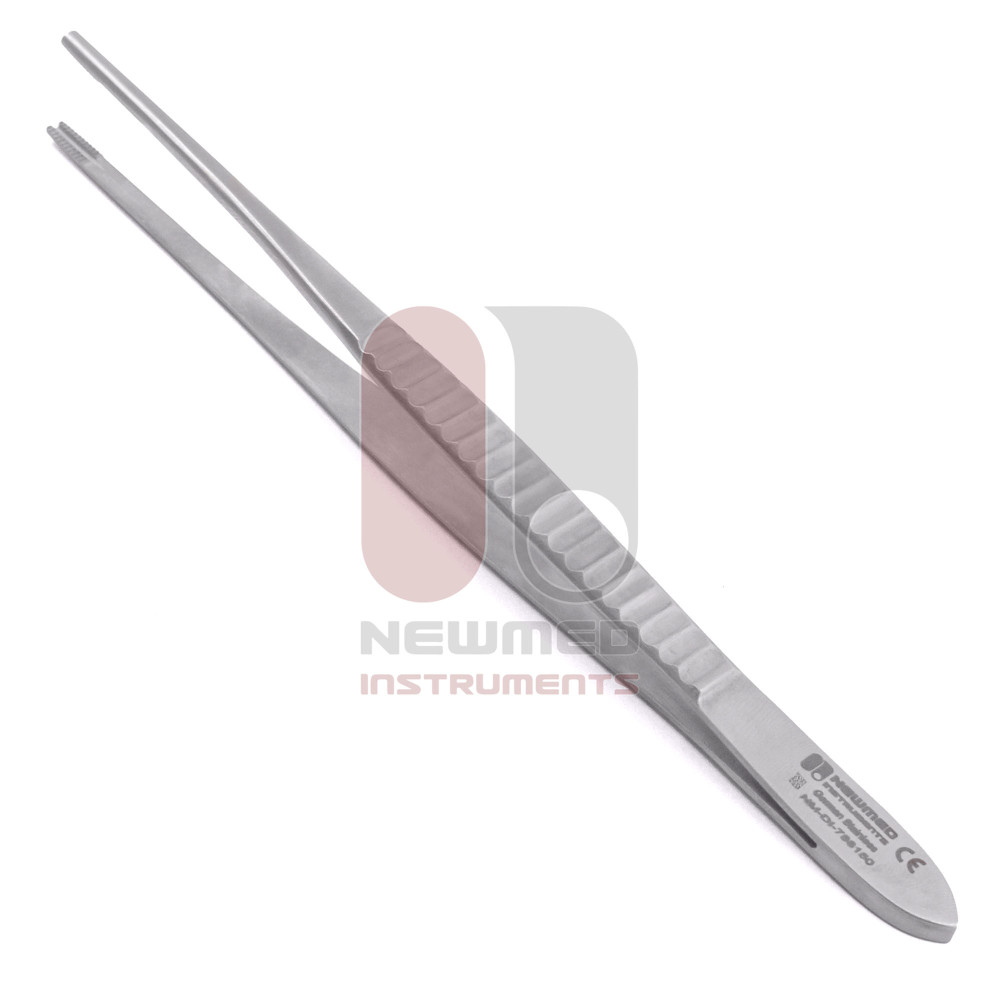
In the precise world of surgery, the quality of an instrument can directly influence the outcome of a procedure. Among the most fundamental tools in any surgical kit are dissecting forceps. These instruments are not merely for grasping; they are extensions of the surgeon's hands, designed for delicate manipulation, stabilization, and dissection of tissues. Their primary role is to handle tissues with minimal trauma, allowing for clear visualization and precise action in the surgical field. For surgeons and medical students alike, mastering the use of these forceps is a foundational skill.
The Importance of High-Quality Materials
The performance of surgical instruments is intrinsically linked to the materials from which they are made. For dissecting forceps, surgical-grade stainless steel is the industry standard, prized for its durability, corrosion resistance, and ability to be sterilized repeatedly without degradation. At New Med Instruments, we recognize that the integrity of each instrument begins with the raw materials. Our commitment is to provide tools that maintain their form, function, and precision through countless procedures, ensuring reliability when it matters most.
Anatomical Design: Tips and Serrations
A closer look at dissecting forceps reveals a variety of tip designs, each tailored for specific applications. Toothed forceps, such as Adson or Bonney forceps, provide a firm grip on tough tissues like skin or fascia. Conversely, non-toothed or plain forceps, like DeBakey forceps, are designed for handling delicate structures such as blood vessels and nerves, minimizing the risk of puncture or crush injury. The choice between serrated and smooth tips depends entirely on the tissue type and the delicacy required for the maneuver.
Applications Across Surgical Specialties
The versatility of dissecting forceps makes them indispensable across numerous surgical disciplines. In general surgery, they are used for everything from holding tissues during suturing to blunt dissection. In plastic and reconstructive surgery, their delicate handling capabilities are crucial for preserving the viability of skin flaps and grafts. For cardiovascular procedures, specialized forceps are essential for manipulating fragile vessels. This wide range of applications underscores the need for a diverse and reliable set of instruments in any healthcare facility.
Proper Handling and Technique
Effective use of dissecting forceps requires more than just knowing which type to select; it demands proper technique. The instrument should be held in a way that allows for subtle, controlled movements, often using a pencil grip for maximum dexterity. Applying the right amount of pressure is critical—too much can crush delicate tissues, while too little can result in a loss of grip. For medical students and residents, practicing these fine motor skills is a vital part of their training, building the muscle memory needed for complex surgical tasks.
Maintenance and Sterilization Protocols
The longevity and safety of any surgical instrument depend on rigorous cleaning and sterilization. After each use, dissecting forceps must be thoroughly decontaminated to remove all organic material before undergoing sterilization, typically through autoclaving. Proper care ensures that instruments remain free of contaminants that could lead to surgical site infections. Adhering to strict maintenance protocols not only protects patients but also preserves the instrument's integrity, preventing corrosion and damage that could compromise its performance.
New Med Instruments: A Commitment to Excellence
At New Med Instruments, we are dedicated to supporting the critical work of surgeons, students, and healthcare professionals worldwide. We understand that precision and reliability are non-negotiable in the operating room. Our mission is to provide superior quality surgical instruments, backed by exceptional service, to professionals who demand perfect and precise results for their patients. We believe that by equipping medical experts with the finest tools, we contribute to better surgical outcomes and advancements in patient care.
Conclusion: The Surgeon's Essential Partner
Dissecting forceps are far more than simple tools; they are essential partners in the art and science of surgery. Their design, material, and proper use are all critical factors that contribute to the success of a procedure. As surgical techniques continue to evolve, the demand for high-quality, specialized instruments will only grow. For healthcare professionals who value precision, investing in superior instruments is an investment in patient safety and surgical excellence.
Report this wiki page